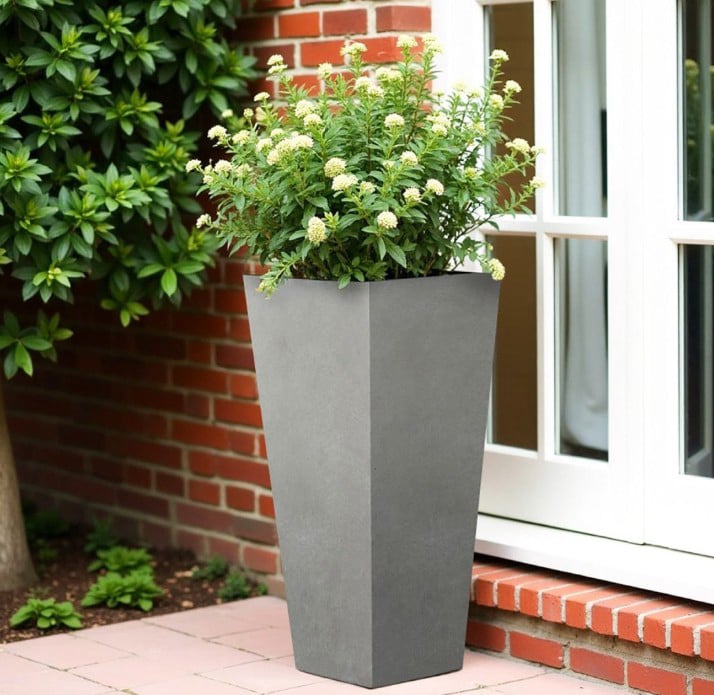
Plant Pots in the UK for Gardens, Patios and Indoor Spaces
Plant pots are a practical and attractive way to grow flowers, herbs, shrubs, houseplants and small trees in a wide range of spaces. They are useful for gardens, patios, balconies, windowsills, entrances, offices and indoor living areas. Whether used for colour, structure, privacy or decoration, the right pots can make planting easier and more flexible.
Plant pots in the UK are available in many sizes, shapes, styles and materials to suit different homes, gardens and commercial spaces. From compact indoor pots to large outdoor containers, choosing the right option depends on the plant type, location, drainage needs and overall design. A well-chosen plant pot should look good while also supporting healthy growth.
One of the main benefits of using plant pots is flexibility. Unlike permanent flower beds or borders, pots can be moved, rearranged or replaced when needed. This makes them ideal for renters, small gardens, paved patios and spaces where planting directly into the ground is not possible. Pots can also be used to change seasonal displays throughout the year.
Size is one of the most important factors to consider. Small pots can work well for herbs, bedding plants and houseplants, while larger pots are better for shrubs, grasses and small trees. A pot that is too small may restrict root growth and dry out quickly. Choosing a suitable size gives plants more space, moisture and nutrients.
Drainage is essential for healthy plants, particularly outdoors. Most plants do not like sitting in waterlogged soil, so pots should usually have drainage holes at the base. In the UK, where rain is frequent, good drainage is especially important for outdoor containers. Raising pots slightly off the ground can also help excess water escape more easily.
Material choice affects both appearance and practicality. Terracotta pots offer a traditional look and suit many garden styles, although they can be heavy and may need protection from frost. Plastic and resin pots are lightweight, affordable and easy to move. Fibreglass, fibreclay and composite planters often provide a modern finish with improved durability.
Stone, concrete and ceramic pots can create a strong visual feature, but they are often much heavier. These can work well for entrances, patios and commercial spaces where stability is important. Metal pots can provide a contemporary appearance, although they may heat up in direct sun or need weather-resistant finishes for long-term outdoor use.
The UK climate should also influence pot selection. Frost, rain, wind and temperature changes can affect both plants and containers. Outdoor pots should be suitable for year-round weather if they are being left outside. Frost-resistant materials and strong construction can help prevent cracking, warping or damage during colder months.
Plant choice should match the pot and location. Sun-loving flowers, herbs and Mediterranean-style plants may suit bright patios, while ferns, hostas and shade-tolerant plants may work better in darker corners. Indoor plants will need pots that suit their root size, watering habits and decorative style.
Compost is another important consideration. Container plants depend entirely on the growing medium inside the pot. Seasonal flowers may grow well in multi-purpose compost, while shrubs, trees and long-term plants may need a more structured soil-based mix. Regular feeding can help replace nutrients that are gradually used up.
Watering needs vary depending on pot size, plant type and location. Small pots can dry out quickly during warm weather, while larger pots usually hold moisture for longer. Indoor pots should be checked carefully to avoid both overwatering and underwatering. Outdoor pots may need extra attention during dry spells, even in the UK.
Plant pots can also help create privacy and structure. Large containers filled with tall grasses, bamboo-style plants, evergreens or small trees can screen seating areas, balconies and boundaries. This can be useful where permanent fencing or ground planting is not suitable. Pots allow privacy planting to remain flexible and adjustable.
For patios and entrances, pots can improve kerb appeal and create a welcoming appearance. Matching containers can frame doorways, while mixed groups of pots can add colour and depth. In commercial spaces, well-maintained pots can make offices, shops, restaurants and public areas feel more inviting.
Maintenance should be considered before choosing pots. Plants may need pruning, feeding, watering, deadheading or seasonal replacement. Pots should also be checked for blocked drainage holes, cracks, frost damage and general wear. Refreshing compost and cleaning containers can help keep displays looking neat.
In summary, plant pots in the UK provide a flexible and practical way to grow plants indoors and outdoors. With the right size, material, drainage, compost and positioning, pots can support healthy growth while improving the appearance of gardens, patios, balconies and interiors. Whether used for flowers, shrubs, herbs or small trees, plant pots remain a useful part of everyday planting.